The Material That Changed Everything
If you have renovated a kitchen in Montreal in the last ten years, you have almost certainly had the quartz conversation. It is the countertop material that comes up first in every design meeting, every showroom visit, every conversation with a contractor. And there is a very good reason for that.
Quartz did not take over the market by accident. It solved a real problem that natural stone could not fully address — the combination of beauty and genuinely low maintenance. For busy households, that is a powerful proposition.
What Quartz Actually Is
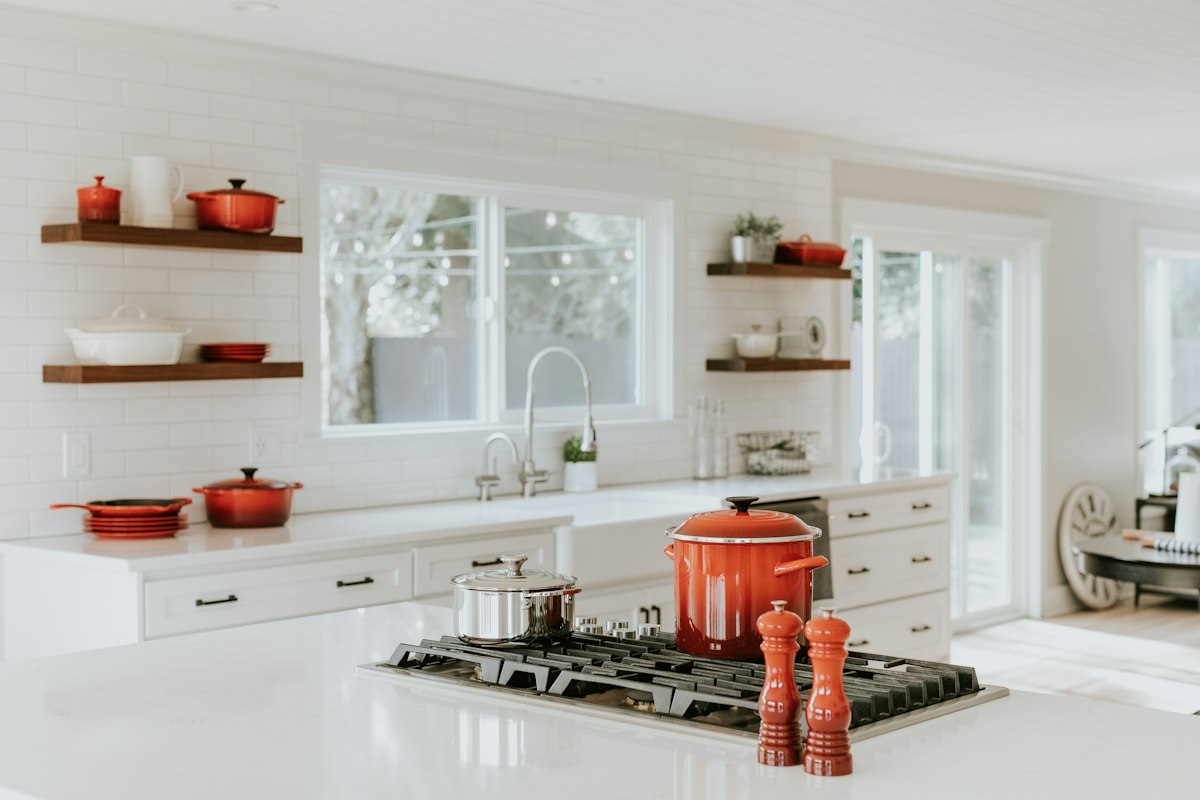
Here is something that surprises a lot of people: despite being called quartz, countertops made from this material are engineered, not quarried. About 90 to 95 percent crushed natural quartz crystals are combined with polymer resins and pigments, then compressed and cured into slabs.
The result is a surface that is harder and more consistent than most natural stones, completely non-porous, and available in virtually any colour or pattern you can imagine — including convincing reproductions of Calacatta marble, Carrara, and even concrete.
Brands like Caesarstone, Cambria, Hanstone, and Silestone all produce quartz, and you will find most of them at our Montreal showroom.
Why So Many Montreal Families Choose It
Walk through any new kitchen renovation in NDG, Laval, or the South Shore and there is a good chance you are looking at quartz. The reason is straightforward: it fits the way Montreal families actually live.
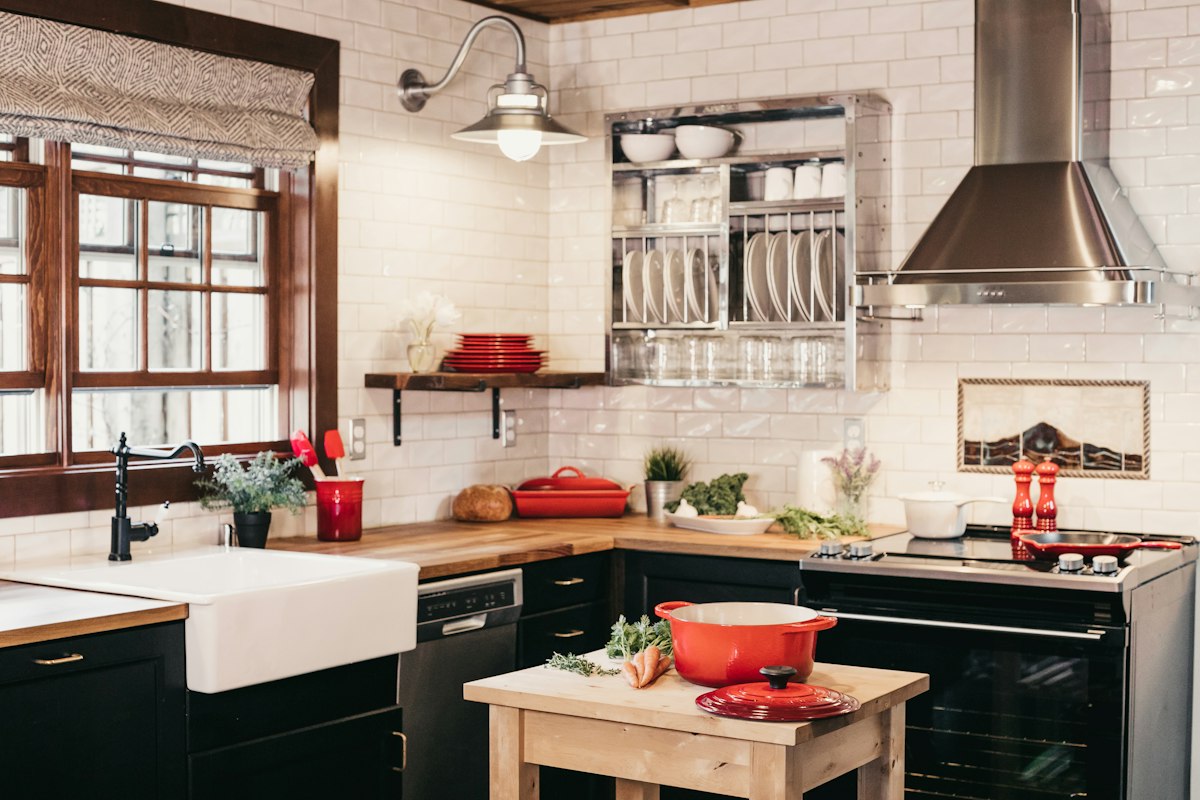
Montreal households cook seriously. Red wine flows. Children do homework at kitchen islands. Pets have water bowls on the floor nearby. None of that bothers quartz. Its non-porous surface means liquids cannot penetrate — spills wipe clean, bacteria does not find a home, and the surface looks the same years later as it did the day it was installed.
The Genuine Strengths
The single biggest advantage of quartz is that it never needs to be sealed. Ever. That alone saves you meaningful time and money over the lifetime of the countertop. Granite and marble owners seal their surfaces annually — quartz owners simply do not think about it.
Beyond maintenance, quartz delivers consistency. Every slab looks exactly as expected because it is engineered to be that way. If you are working on a large kitchen with multiple sections, the colour and pattern match perfectly across all pieces — something natural stone cannot always guarantee.
The colour range is also extraordinary. Pure arctic white, warm cream, charcoal black, concrete grey, dramatic veined Calacatta looks — the options are essentially unlimited. If you have a specific vision for your kitchen, quartz can almost certainly deliver it.
What Quartz Cannot Do
We want you to go into this decision with the full picture.
Quartz is not heat resistant the way granite is. If you put a hot pot directly on a quartz surface, you risk damaging the resin binders. Always use trivets — not sometimes, every single time. This is the one real discipline quartz requires.
It is also not natural stone. For homeowners who specifically want the authenticity of something quarried from the earth — the unique veining, the geological depth — quartz, however beautiful, will feel like a substitute. There is nothing wrong with that perspective.
And quartz is not suitable for outdoor use in Montreal. UV exposure and our temperature extremes can cause some products to fade or discolour over time.
The Cost Reality
Quartz pricing in Montreal runs from about $70 per square foot installed at the entry level, up to $200 and beyond for premium branded products. A typical Montreal kitchen of 45 square feet with mid-range quartz comes out around $4,500 to $6,000 installed.
The slight premium over entry-level granite reflects the manufacturing sophistication and the lifetime sealing savings — when you factor in never buying sealer again, the real cost gap narrows considerably.
Taking Care of It — Which Takes Almost No Effort
Warm water and dish soap. That is the daily routine. For stubborn marks, a gentle non-abrasive cleaner does the job. What to avoid: bleach, oven cleaner, and harsh chemical solvents — these attack the resin binders that hold the slab together.
And trivets for hot pots. Every time.
What Is Trending in 2026
In Montreal showrooms and design studios, the dominant quartz requests right now are warm whites with soft gold veining, concrete greys for modern loft renovations, and dramatic charcoal tones for high-contrast contemporary kitchens.
The era of uniform cool grey quartz is giving way to warmer, more textured looks. It is a shift toward kitchens that feel lived-in and personal, rather than purely clinical.
Whatever direction you are heading, come see the options in person. Quartz looks different at slab scale than in any sample chip — and the choice becomes much clearer when you can stand next to the full thing.